
The Royal Flush - Design, Install & Repair
Licensed, Bonded & Insured | Family Owned & Operated Since 1965
Licensed #WI DNR, MI EGLE
WLWCA Members | MSHA Certified
we help greater Chehalis families & contractors through excellence in residential & commercial excavation, septic & demolition services.
You'll ❤️Saving 🕒 And 💰 Without Headaches!😊

AVOID COSTLY MISTAKES:
Do NOT hire an excavating contractor without first reading our free guide:
The ULTIMATE Excavation & Septic "Success Guide."

"We Help Familes & Businesses Through Excellence In Septic Services Throughout Wisconsin & Michigan!"
Dyer. Inc is your choice for septic design, septic tank installation, septic system repairs and septic pumping. We pride ourselves in the highest commitment to quality and customer satisfaction. We are the number one choice in your service area for septic services.
Our staff is licensed in Wisconsin as septic operators and certified as Michigan business operators too. Our staff maintains complete and current continuing education requirements.


Searching for Septic Services near me?

Your time and effort looking for the best septic contractor just paid off! We understand, you're probably searching for septic companies near me and "Whammo!" up pops hundreds of septic service contractors claiming to provide the best septic tank services. So who do you trust your septic tank needs with? We understand it can be a little daunting. We are happy to help in any way and sincerely thank you for taking time to consider us! Here's some of our most popular excavation services we can help you with right away:
✔️ Septic services of all kinds
✔️ Septic Inspections (County & Realty)
✔️ Septic pumping (Residential & Commercial since 1965)
✔️ Cleaning a Septic Tank
✔️ Septic System Design (Since 1989)
✔️ Septic System Installation
We Take Pride In Quality Septic Services Launched FAST!

When considering a local excavation contractor or excavation company what should you consider? Along with the highest quality site work you want your excavation services to be done quickly and without headaches.
You can also count on us for:
✔️ Snow Plowing- Commercial only, snow removal & salt/sand applications
✔️ Drain Field replacement/ Leach Field Replacement
✔️ Septic Holding Tanks Sales

wE PROMISE TO clean up after Ourselves!
How Do You Know Your Hiring The Right Septic Company?
COMPARE THE SERVICES OFFERED BY DIFFERENT SEPTIC COMPANIES
TAKE A LOOK AT PICTURES OF SEPTIC WORK DONE BY THE COMPANIES YOU’RE CONSIDERING
CHECK OUT REVIEWS, ASK FOR REFERENCES AND COMMENTS FROM PAST CLIENTS
CHECK THE EQUIPMENT OWNED BY THE SEPTIC COMPANIES
ARE THEY PROFESSIONAL AND COURTEOUS WHEN THEY ANSWER THE PHONE?
DO THEY PROMPTLY RETURN CALLS?
HOW WELL DO THEY PAY ATTENTION TO THE SMALLEST DETAIL?
See Photos!
Does Snow Cover Protect Your Septic System? Frost and Winter Traffic
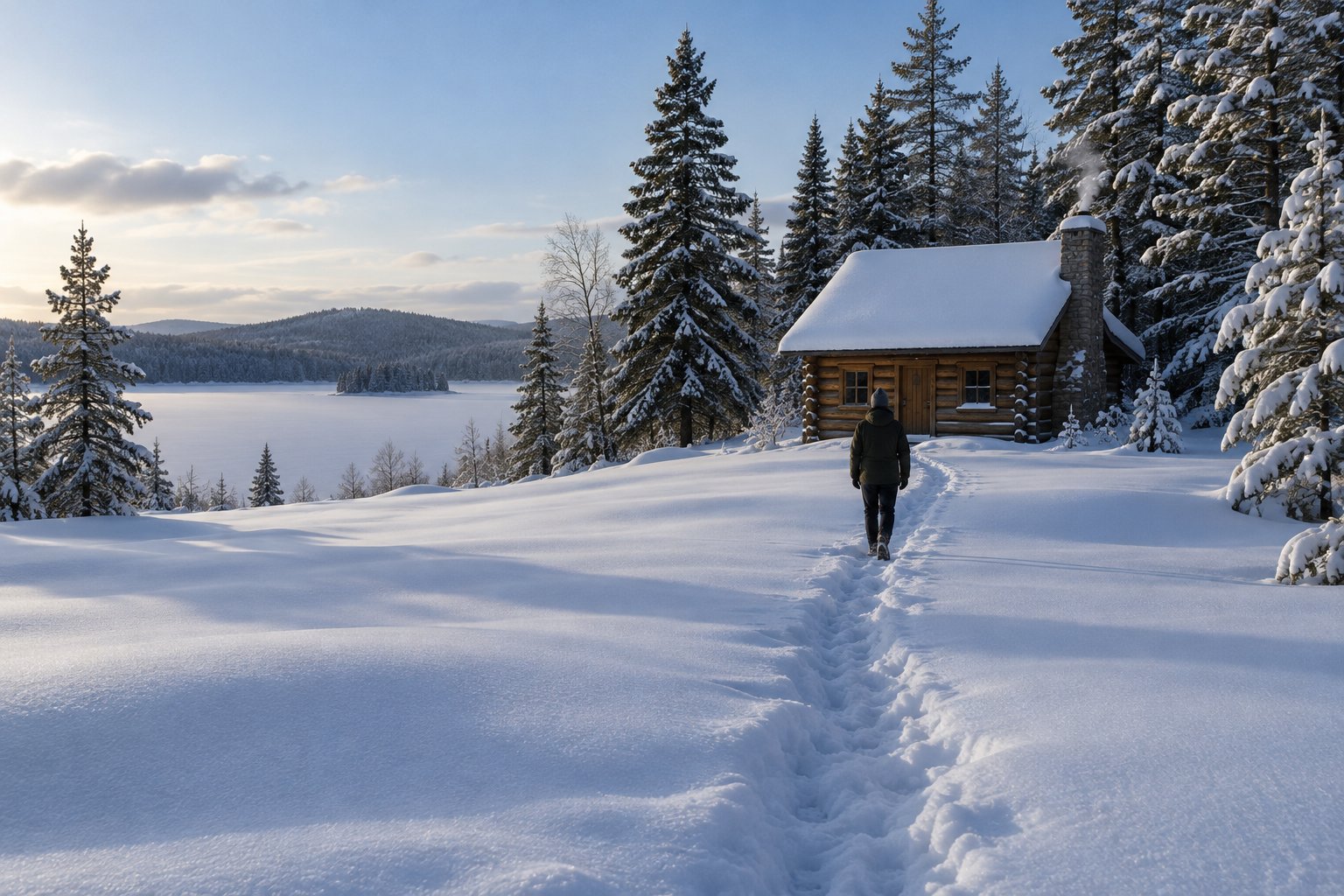
Every winter in northern Wisconsin and the Upper Peninsula, somebody shovels a path across the yard, packs down a snowmobile track beside the house or blows the driveway clear all the way to the property line. A few months later that same property owner is calling about a septic system that will not drain. The connection is not always obvious, but it is real. Snow does protect a septic system, and the way you handle it matters.
Here is how snow cover works as insulation, what undermines it, and what you can do on your own property between now and March.
How snow protects a septic system
University of Minnesota Extension describes snow as an insulating blanket over the septic tank and the soil treatment area, whether that is trenches, a drain field or a mound. The snow helps hold in the heat of the sewage and the warmth rising from deeper soil. Without it, frost can go deeper into the ground and may freeze the system.
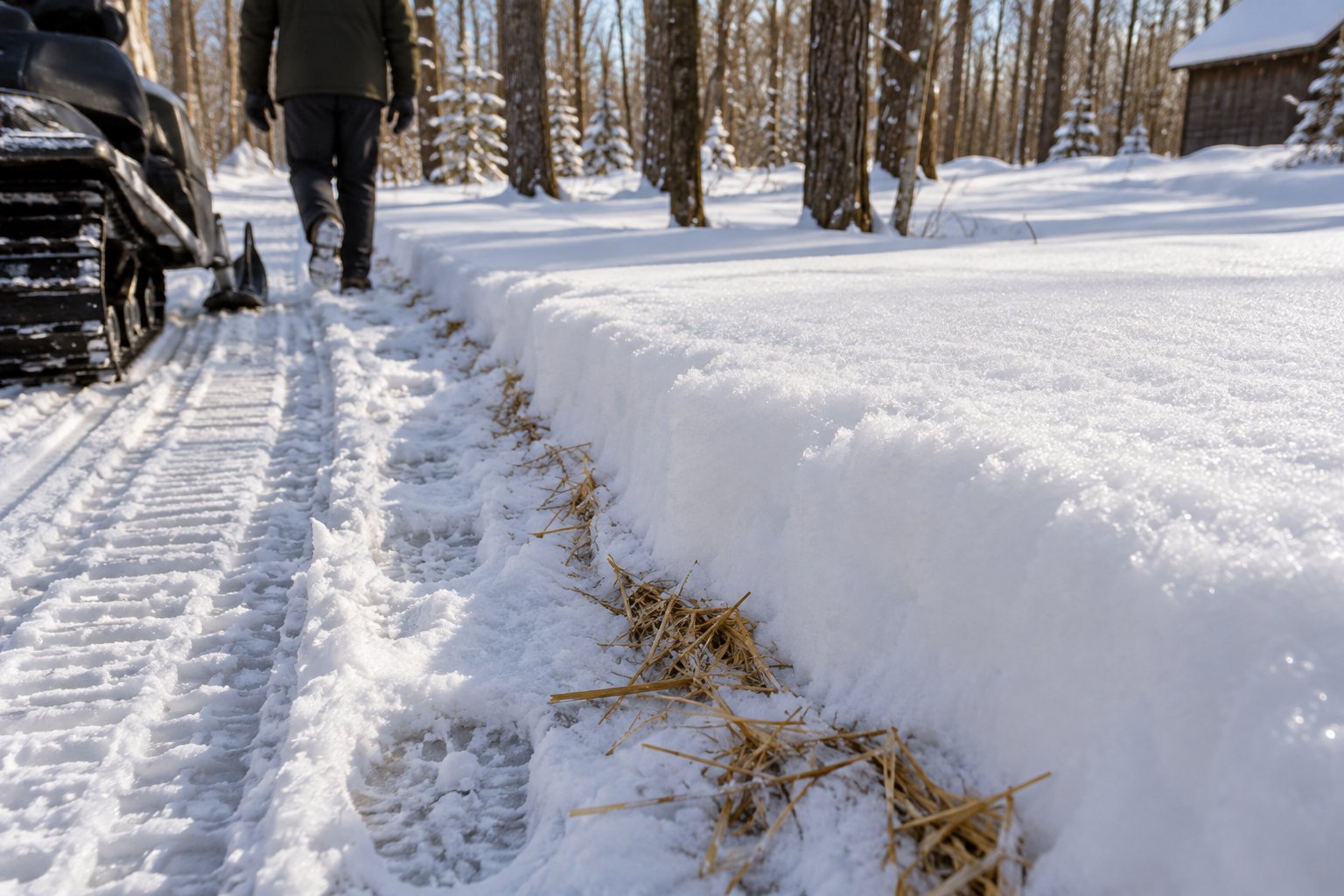
The word that matters is uncompacted. The same guidance explains that compacted snow does not insulate as well as fluffy snow. Light, trapped air is what does the work, and packing it down squeezes the air out. Driving equipment over a system compacts the snow and sends the frost down deeper. Walking paths, snowmobile tracks and plow piles do the same thing on a smaller scale.
Why frost matters in this part of the country
Frost depth is serious in the Northwoods. Wisconsin's building code requires footings to be placed below the frost penetration level or at least 48 inches below adjacent grade, whichever is deeper. That is a building footing rule, not a septic rule, but it shows how deep Wisconsin's code expects frost to be a concern. A septic tank, its lid and the pipes that connect it are much shallower than a foundation footing.
Snowfall helps. NOAA's 1991 to 2020 climate normals put Marinette's snowfall at about 44 inches a year, with the heaviest months being January and February. Inland areas near Iron Mountain average more than that, with a figure near 61 inches. But averages hide the bad years. A cold snap that arrives before the first deep snowfall, or a thin winter with little snow, leaves the ground exposed to the same cold air that is drawing frost down.
Three things that undo the insulation
1. Packing the snow down. Plow traffic, snowmobiles, ATVs and even frequent foot traffic or pets can compact the snow. University of Minnesota Extension lists automobiles, snowmobiles, ATVs and foot traffic as things that should stay off the system all year, especially in winter. A national environmental health association winter guide adds that you should limit traffic above and near the system during freezing temperatures.
2. Scraping snow off. It is tempting to clear the area over the tank so you can see the lid. Do not. Pierce County, Wisconsin, in its homeowner guidance, tells owners to avoid compacting or removing snow, since the snow insulates the drain field.
3. Compacted ground that never had good cover. Areas such as driveways, paths and livestock enclosures tend to freeze deeper, and a septic component sitting under or beside one is more exposed. A system installed late in the year may also lack established grass, which helps hold snow.
What to do before and during winter
- Let the grass grow. University of Minnesota Extension suggests you stop cutting the grass over the treatment area in mid-September. Longer grass catches more snow.
- Add straw or hay. A layer of hay or straw over the tank and field is a common extra insulation layer recommended by Wisconsin county guidance, especially when the snow is late.
- Keep traffic and plow piles off the area. That includes sleds, ATVs, vehicles and the pile at the end of the driveway.
- Fix leaks. A dripping faucet or running toilet sends a slow trickle into the system, and a thin trickle can freeze inside a pipe. Extension guidance notes that leaking fixtures are a common cause of freeze-ups.
- Keep lids and risers closed. Open or broken risers and covers let cold air into the system.
Cabins and low-use homes freeze more easily
A system needs a steady flow of warm wastewater to stay thawed. University of Minnesota Extension notes that when homes or cabins sit empty for long weekends or longer, no sewage is entering the system to keep temperatures up. The same thing can happen with a household of one or two people who use only a small share of the system's designed flow. Frequent use, warmer water and greater water use all help in cold stress situations.
If you think a system is starting to freeze, extension guidance says that spreading out your laundry, running a warm load each day and using the dishwasher can help. It also says clearly not to leave water running continuously, because that can overload the system. If you will be away for a long period, consider having someone use water regularly, or talk with a septic professional about whether pumping the tank before you leave makes sense. Extension guidance adds a caution for high water table areas, where a tank should only be pumped if it was designed for those conditions.
Signs your system may be freezing
- Slow drains or toilets that gurgle or back up
- No water draining from the house at all
- Wet or icy spots appearing over the field or along the pipe route
- Sewage backing up into the lowest drains in the house
If a drain field freezes, it can be difficult or impossible to repair until conditions improve. Pierce County's guidance says to spread hay over the drain field and to contact a licensed pumper to pump and haul septage during the winter months to let the field rest. Then, if the field still does not work in the spring, bring in a licensed plumber.
Frequently Asked Questions
Is a deep snowpack always good for a septic system?
Generally, yes, as long as it is undisturbed. Deep, fluffy snow insulates. Problems come from packing it down or scraping it away, which allows frost to go deeper.
Should I shovel snow off my septic tank so the lid is accessible?
No. Wisconsin county guidance says to avoid removing snow above the system. Mark the lid with a tall stake before winter so you know where it is without clearing the snow.
Can I run extra water to keep the system from freezing?
Extension guidance says that increasing very low use to a normal level can help, for example one warm load of laundry per day. It also says never to leave water running all the time, since that can hydraulically overload the system.
Who do I call if my system freezes?
Start with a licensed septic professional. Frozen systems can sometimes be helped by pumping, insulating or correcting a pipe problem, but the right fix depends on which part froze. In Wisconsin and Michigan, county or health department offices can also point you to local rules.
If your system has a history of winter trouble or you want a pre-winter check, contact us or request a quote through our contact page.

We Offer Septic Services Near You!
If you don't see your specific area contact us and we may still be able to help or give a referral.

The Royal Flush - Design, Install & Repair
Address:
1025 W Fischer Lake Pkwy, Niagara, WI 54151
Hours:
Mon - Fri. 8:00 am - 4:00 pm
Weekends & Holidays by appointment only*
*There will be a surcharge for after hours & holiday appointments


All rights reserved | Privacy policy | Client Support Area | For Cathy | Terms & Conditions | Privacy Policy