
The Royal Flush - Design, Install & Repair
Licensed, Bonded & Insured | Family Owned & Operated Since 1965
Licensed #WI DNR, MI EGLE
WLWCA Members | MSHA Certified
we help greater Chehalis families & contractors through excellence in residential & commercial excavation, septic & demolition services.
You'll ❤️Saving 🕒 And 💰 Without Headaches!😊

AVOID COSTLY MISTAKES:
Do NOT hire an excavating contractor without first reading our free guide:
The ULTIMATE Excavation & Septic "Success Guide."

"We Help Familes & Businesses Through Excellence In Septic Services Throughout Wisconsin & Michigan!"
Dyer. Inc is your choice for septic design, septic tank installation, septic system repairs and septic pumping. We pride ourselves in the highest commitment to quality and customer satisfaction. We are the number one choice in your service area for septic services.
Our staff is licensed in Wisconsin as septic operators and certified as Michigan business operators too. Our staff maintains complete and current continuing education requirements.
Searching for Septic Services near me?

Your time and effort looking for the best septic contractor just paid off! We understand, you're probably searching for septic companies near me and "Whammo!" up pops hundreds of septic service contractors claiming to provide the best septic tank services. So who do you trust your septic tank needs with? We understand it can be a little daunting. We are happy to help in any way and sincerely thank you for taking time to consider us! Here's some of our most popular excavation services we can help you with right away:
✔️ Septic services of all kinds
✔️ Septic Inspections (County & Realty)
✔️ Septic pumping (Residential & Commercial since 1965)
✔️ Cleaning a Septic Tank
✔️ Septic System Design (Since 1989)
✔️ Septic System Installation
We Take Pride In Quality Septic Services Launched FAST!

When considering a local excavation contractor or excavation company what should you consider? Along with the highest quality site work you want your excavation services to be done quickly and without headaches.
You can also count on us for:
✔️ Snow Plowing- Commercial only, snow removal & salt/sand applications
✔️ Drain Field replacement/ Leach Field Replacement
✔️ Septic Holding Tanks Sales

wE PROMISE TO clean up after Ourselves!
How Do You Know Your Hiring The Right Septic Company?
COMPARE THE SERVICES OFFERED BY DIFFERENT SEPTIC COMPANIES
TAKE A LOOK AT PICTURES OF SEPTIC WORK DONE BY THE COMPANIES YOU’RE CONSIDERING
CHECK OUT REVIEWS, ASK FOR REFERENCES AND COMMENTS FROM PAST CLIENTS
CHECK THE EQUIPMENT OWNED BY THE SEPTIC COMPANIES
ARE THEY PROFESSIONAL AND COURTEOUS WHEN THEY ANSWER THE PHONE?
DO THEY PROMPTLY RETURN CALLS?
HOW WELL DO THEY PAY ATTENTION TO THE SMALLEST DETAIL?
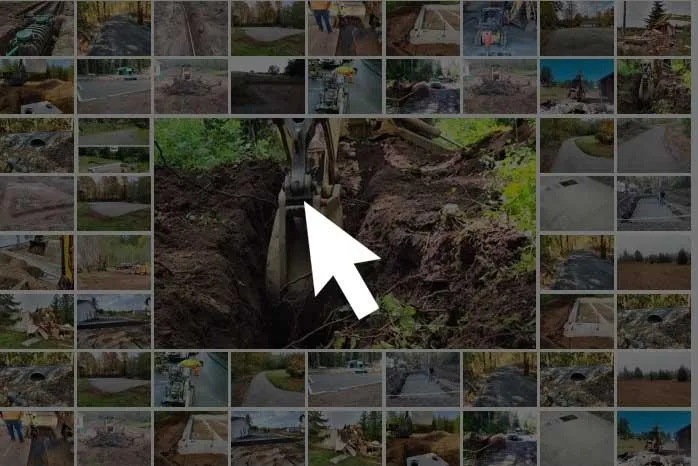
See Photos!

How Grease Interceptors Work and Why Commercial Properties Near Niagara, WI Need Them
Commercial kitchens and food service establishments generate a byproduct that poses a serious risk to any private wastewater system: fats, oils, and grease, commonly referred to in the industry as FOG. When FOG enters a septic system without treatment, it accumulates in the tank, clogs distribution pipes, and eventually destroys the drain field. For commercial property owners near Niagara, WI, understanding how grease interceptors work and why they are required is essential for protecting both your business and your wastewater system.
Dyer Incorporated services commercial septic systems throughout Marinette County and the surrounding region, including grease interceptor pumping and maintenance. This post explains the mechanics behind these devices, the Wisconsin regulatory requirements that apply to food service establishments, and what a proper maintenance schedule looks like.
What a Grease Interceptor Does
A grease interceptor — also called a grease trap — is a plumbing device installed between the kitchen drain lines and the septic system or municipal sewer connection. Its purpose is to capture fats, oils, and grease before they travel further into the wastewater system.
The device works through a straightforward physical process. Wastewater from the kitchen flows into the interceptor, where the flow rate slows significantly. Because grease is less dense than water, it naturally rises to the surface of the chamber and is retained there. Heavier food solids sink to the bottom as sludge. The clarified water in the middle layer continues through the outlet pipe to the septic system or sewer. Over time, the accumulated grease layer and sludge layer grow thicker, reducing the interceptor's capacity and effectiveness.
There are two main types of interceptors used in commercial settings. Interior grease traps are compact, passive devices installed under kitchen sinks or in floor drains. They are designed for lower-volume operations and typically require cleaning every one to three months. Exterior grease interceptors are large underground tanks, often holding 500 to 2,000 gallons or more, installed outside the building. These are required for higher-volume food service operations and are pumped out by a licensed septic service provider.
Wisconsin Regulatory Requirements
In Wisconsin, grease interceptors for commercial food service establishments are governed by the Wisconsin Administrative Code, specifically Chapter SPS 382, which covers plumbing systems. The code requires that grease interceptors be installed on drain lines from commercial kitchens where fats, oils, and grease are likely to be introduced into the drainage system.
The Wisconsin Department of Safety and Professional Services (DSPS) oversees plumbing code compliance, and local municipalities and counties may impose additional requirements. At the county level, Marinette County's sanitation regulations apply to all private onsite wastewater treatment systems, including those connected to commercial properties. Any food service establishment operating on a private septic system must ensure that its grease management equipment is functioning correctly to prevent FOG from entering and damaging the septic system.
Industry standards recommend that grease interceptors be pumped when the combined depth of the grease layer and sludge layer reaches 25 percent of the total liquid depth. For most commercial kitchens, this means quarterly pumping at a minimum, though high-volume operations such as restaurants with heavy frying may require monthly service.

Why FOG Damage Is Costly
When a commercial septic system is not protected by a properly maintained grease interceptor, the consequences can be severe. FOG accumulation in the septic tank accelerates the formation of a thick scum layer that prevents normal bacterial digestion. As the tank fills faster than it can be processed, solids and grease migrate into the distribution pipes and drain field.
Once FOG saturates the soil in the drain field, it creates what wastewater professionals call a bio-mat — a dense, impermeable layer that prevents effluent from filtering into the ground. A bio-mat cannot be reversed through pumping alone. In most cases, the drain field must be replaced entirely, which for a commercial property can cost between $10,000 and $25,000 or more depending on system size and site conditions.
Preventing this outcome through regular grease interceptor maintenance is far less expensive than drain field replacement. It also protects the business from operational shutdowns, health department violations, and environmental liability.
Maintaining Your Grease Interceptor
A proper maintenance program for a commercial grease interceptor includes several key practices. The interceptor should be pumped by a licensed septic service provider on a schedule appropriate for the volume of the operation. After each service, the provider should clean the walls and baffles of the interceptor, not just remove the accumulated material. Records of each service visit should be kept on file, as health departments and county sanitation authorities may request documentation of maintenance history.
Kitchen staff practices also affect how quickly the interceptor fills. Scraping food waste into the trash before washing dishes, avoiding the disposal of cooking oils down the drain, and using strainers in sink drains all reduce the FOG load entering the interceptor.
If you operate a restaurant, lodge, campground, food processing facility, or any other commercial property near Niagara, WI that generates kitchen wastewater, contact Dyer Incorporated at 715-663-6549 to schedule grease interceptor service or to discuss a maintenance plan for your commercial septic system. You can also learn more about our commercial septic services and septic consulting options.

We Offer Septic Services Near You!
If you don't see your specific area contact us and we may still be able to help or give a referral.

The Royal Flush - Design, Install & Repair
Address:
1025 W Fischer Lake Pkwy, Niagara, WI 54151
Hours:
Mon - Fri. 8:00 am - 4:00 pm
Weekends & Holidays by appointment only*
*There will be a surcharge for after hours & holiday appointments


All rights reserved | Privacy policy | Client Support Area | For Cathy | Terms & Conditions | Privacy Policy