
The Royal Flush - Design, Install & Repair
Licensed, Bonded & Insured | Family Owned & Operated Since 1965
Licensed #WI DNR, MI EGLE
WLWCA Members | MSHA Certified
Septic System Blog

How Much Does Septic System Installation Cost Near Iron Mountain, MI?
Replacing or installing a new septic system is a major property investment. For homeowners and builders near Iron Mountain, Michigan, understanding the factors that drive installation costs is critical for budgeting and planning. Because Michigan lacks a centralized statewide sanitary code, prices and requirements can vary significantly from one county to the next. In the Upper Peninsula, unique geographical and climate challenges often influence the final cost of a private wastewater system.
Based on industry averages for 2026, the cost to install a new septic system in Michigan typically ranges from $7,000 for a basic conventional gravity system to more than $25,000 for engineered alternative systems. In the Upper Peninsula, including Dickinson County, homeowners should generally budget between $10,000 and $22,000 for a complete installation. This guide breaks down the expenses associated with septic system installation and explains why certain site conditions may increase the total price.
Average Septic System Costs by Type
The type of septic system required for a property is not a matter of homeowner preference; it is dictated by soil conditions, lot size, and local health department regulations. A thorough soil evaluation determines the percolation rate and identifies any restrictive layers, such as high groundwater or shallow bedrock.
The table below outlines the average installation costs for different types of septic systems in Michigan:
| System Type | Average Cost Range | Ideal Site Conditions |
|---|---|---|
| Conventional Gravity | $7,000 – $15,000 | Sandy or loamy soils with a low water table and adequate space |
| Pressure Distribution | $9,000 – $18,000 | Moderate soils or larger lots requiring even wastewater distribution |
| Aerobic Treatment Unit (ATU) | $12,000 – $22,000 | Poor soils or small lots requiring advanced wastewater treatment |
| Mound System | $15,000 – $25,000 | High water tables or shallow bedrock where conventional drain fields fail |
| Holding Tank | $3,000 – $6,000 | Temporary or emergency solutions where drain fields are not permitted |
Conventional gravity systems are the most cost-effective option, relying on natural soil filtration to treat wastewater. However, if a site evaluation reveals a high water table or poor soil drainage, the local health department may mandate an engineered system, such as a mound or an aerobic treatment unit. Engineered systems require specialized design, additional components like pumps and alarms, and more complex installation labor, which significantly increases the overall price.
Component and Labor Breakdown
Understanding the individual components of a septic installation helps clarify the total project estimate. A complete septic system consists of several distinct parts, along with the labor required to install them correctly.
The primary cost components typically include:
- Septic Tank: A standard 1,000 to 1,500-gallon concrete tank usually costs between $1,500 and $4,000. The required tank size is determined by the number of bedrooms in the home, not the current occupancy.
- Drain Field: Installing a conventional drain field ranges from $3,000 to $8,000. For sites requiring a mound system, constructing the elevated sand and gravel bed can cost between $5,000 and $12,000.
- Pumps and Chambers: If the system requires pressure distribution, adding a pump chamber and the associated electrical controls typically adds $1,500 to $3,500 to the project.
- Engineering and Permits: Soil evaluations and percolation tests generally cost $500 to $1,500. If an engineered system is required, professional design fees can range from $1,000 to $3,000. Permit fees vary by county and can add another $300 to $1,200.
- Excavation Labor: The heavy equipment work required for site clearing, trenching, and backfilling usually runs between $2,000 and $5,000.
Regional Factors Influencing Cost in the Upper Peninsula
Properties near Iron Mountain and throughout the Upper Peninsula face specific environmental challenges that can increase installation costs compared to other regions in Michigan.
One of the most significant factors is the depth of the frost line. Extreme winters in the Upper Peninsula mean that frost can penetrate deeper into the ground, often exceeding 48 inches. To prevent pipes from freezing and bursting, installers must excavate deeper trenches, which requires more labor and equipment time.

Additionally, the Upper Peninsula is known for having areas with shallow bedrock. If excavation equipment encounters solid rock, the contractor may need to employ specialized breaking techniques or blasting, which can add $2,000 to $5,000 or more to the project cost. High water tables near lakes or rivers can also necessitate costly dewatering procedures during the installation process.
Finally, the remote nature of some properties can lead to increased mobilization charges. Transporting heavy machinery and delivering large quantities of sand or gravel over long distances can add $500 to $1,500 in logistical fees.
Financing and Next Steps
A new septic system is a substantial financial commitment, but a properly installed conventional system can last 25 to 30 years, while concrete tanks can last over 40 years. Homeowners looking to manage these costs may have access to financing options. Programs such as the Michigan Saves Loan Program or USDA Rural Development loans offer assistance for eligible homeowners facing expensive septic replacements.
Before beginning any project, property owners must secure the necessary permits from their local health department, which will require a formal soil evaluation. Working with an experienced, licensed installer ensures that the system meets all local regulations and is designed to handle the specific challenges of the Upper Peninsula landscape.
If you are planning a new build or need to replace a failing system near Iron Mountain, contact Dyer Incorporated to discuss your site requirements and schedule a consultation. You can also learn more about our full range of septic services or explore our consulting options.


AVOID COSTLY MISTAKES:
Do NOT hire an excavating contractor without first reading our free guide:
The ULTIMATE Excavation & Septic "Success Guide."

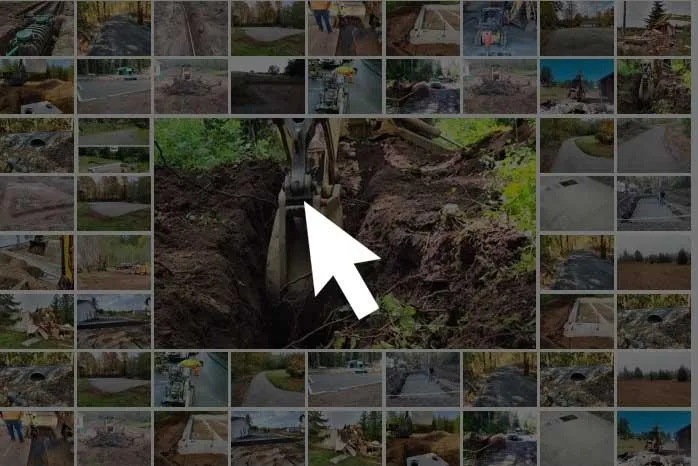
See Photos!
We Offer Septic Services Near You!
If you don't see your specific area contact us and we may still be able to help or give a referral.

The Royal Flush - Design, Install & Repair
Address:
1025 W Fischer Lake Pkwy, Niagara, WI 54151
Hours:
Mon - Fri. 8:00 am - 4:00 pm
Weekends & Holidays by appointment only*
*There will be a surcharge for after hours & holiday appointments


All rights reserved | Privacy policy