
The Royal Flush - Design, Install & Repair
Licensed, Bonded & Insured | Family Owned & Operated Since 1965
Licensed #WI DNR, MI EGLE
WLWCA Members | MSHA Certified
Septic System Blog

Signs Your Drain Field Is Failing Near Forest County, WI
A private onsite wastewater treatment system (POWTS) operates quietly beneath the surface of your yard. While the septic tank separates solids from liquids, the drain field—also known as a leach field—is responsible for the final treatment phase. It disperses the liquid effluent into the soil, where natural bacteria filter out impurities. When a drain field functions correctly, the treated water returning to the groundwater supply is often cleaner than municipal water.
However, drain fields have a finite lifespan, typically lasting 20 to 30 years under normal use. When a drain field begins to fail, the entire septic system is compromised, potentially leading to costly property damage and environmental hazards. For homeowners in Forest County, Wisconsin, recognizing the early warning signs of drain field failure is the best way to prevent a minor issue from escalating into a complete system replacement.
Early Warning Signs of Failure
A failing drain field rarely collapses overnight. In most cases, the system will display subtle symptoms indicating that it is struggling to process wastewater efficiently. Catching these signs early allows homeowners to address the problem before sewage backs up into the home.
The U.S. Environmental Protection Agency (EPA) and wastewater professionals identify several common indicators of a failing septic system:
- Slow Draining Fixtures: If bathtubs, showers, and sinks throughout the house are draining very slowly, it may indicate that the drain field is saturated and cannot accept more water.
- Gurgling Plumbing: Unusual gurgling sounds coming from the plumbing system when flushing toilets or running water can signal a blockage or a backup in the drain lines.
- Lush, Spongy Grass: A patch of bright green, thriving grass over the drain field—especially during dry weather—is a strong indicator that nutrient-rich wastewater is rising to the surface rather than filtering downward.
- Standing Water and Odors: Puddles of standing water or damp, swampy spots near the septic tank or drain field are clear signs of hydraulic failure. This is often accompanied by distinct sewage odors in the yard.
- Plumbing Backups: The most severe sign of failure is water and sewage backing up into the home's toilets, drains, and sinks. This creates an immediate health hazard and requires emergency professional assistance.
Common Causes of Drain Field Problems
Understanding why drain fields fail can help homeowners adopt better maintenance habits and extend the life of their system. While natural aging plays a role, human behavior and environmental factors are often the primary culprits.
| Cause of Failure | How It Damages the Drain Field |
|---|---|
| Lack of Maintenance | Failing to pump the septic tank every 3 to 5 years allows solid waste to migrate into the drain field, permanently clogging the distribution pipes and soil pores. |
| Hydraulic Overload | Introducing more water than the system was designed to handle saturates the soil and prevents proper filtration. |
| Chemicals and Grease | Pouring fats, oils, and grease down the drain creates a thick sludge that can form a bio-mat—a black, watertight layer that prevents effluent from absorbing into the soil. |
| Physical Damage | Driving vehicles, parking heavy equipment, or building structures over the drain field compacts the soil and can crush the underground pipes. |
| Tree Root Intrusion | Tree roots seeking moisture can infiltrate the perforated pipes of the drain field, causing severe blockages and structural damage. |

Regulations and Repair Costs in Wisconsin
In Wisconsin, all private sewage systems are regulated by the Wisconsin Department of Safety and Professional Services (DSPS) to protect public health and state waters. At the local level, the Forest County Zoning and Sanitary Department oversees the installation, permitting, and mandatory three-year inspection requirements for all sanitary systems within its jurisdiction.
When a drain field fails, repair or replacement must comply with these state and county regulations. The cost to replace a failing system is significant. Industry estimates show that replacing a conventional drain field generally costs between $5,000 and $15,000. If site conditions have changed or the soil can no longer support a conventional system, the county may require an engineered mound system, which can push replacement costs to between $10,000 and $20,000.
It is important to note that the Wisconsin Fund, a program that previously provided grants to assist homeowners with the cost of replacing failing systems, is no longer funded and ended on June 30, 2025. This makes proactive maintenance more critical than ever for property owners.
Protecting Your Investment
The most effective way to avoid the expense of a drain field replacement is through diligent maintenance. Homeowners should schedule a professional inspection every 1 to 3 years and have the septic tank pumped every 3 to 5 years. Conserving water, keeping grease and harsh chemicals out of the drains, and protecting the ground above the leach field will help ensure the system reaches its maximum lifespan.
If you notice lush grass, standing water, or slow drains on your property, do not wait for a complete failure. Contact Dyer Incorporated to schedule an evaluation and discuss repair options for your Forest County home. You can also learn more about our septic services or reach out through our consultation page.


AVOID COSTLY MISTAKES:
Do NOT hire an excavating contractor without first reading our free guide:
The ULTIMATE Excavation & Septic "Success Guide."

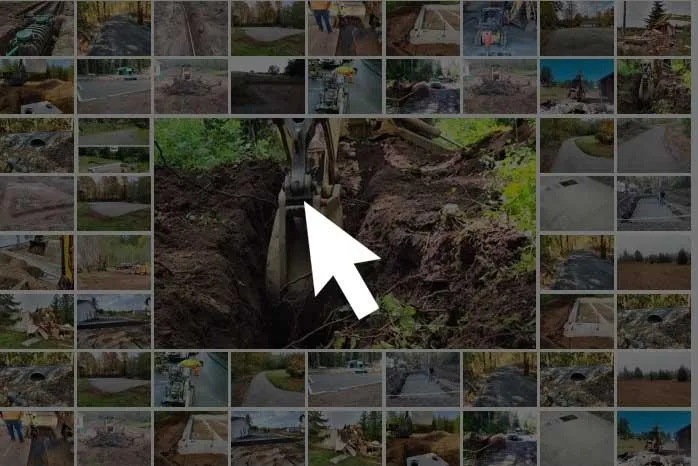
See Photos!
We Offer Septic Services Near You!
If you don't see your specific area contact us and we may still be able to help or give a referral.

The Royal Flush - Design, Install & Repair
Address:
1025 W Fischer Lake Pkwy, Niagara, WI 54151
Hours:
Mon - Fri. 8:00 am - 4:00 pm
Weekends & Holidays by appointment only*
*There will be a surcharge for after hours & holiday appointments


All rights reserved | Privacy policy