
The Royal Flush - Design, Install & Repair
Licensed, Bonded & Insured | Family Owned & Operated Since 1965
Licensed #WI DNR, MI EGLE
WLWCA Members | MSHA Certified
Septic System Blog
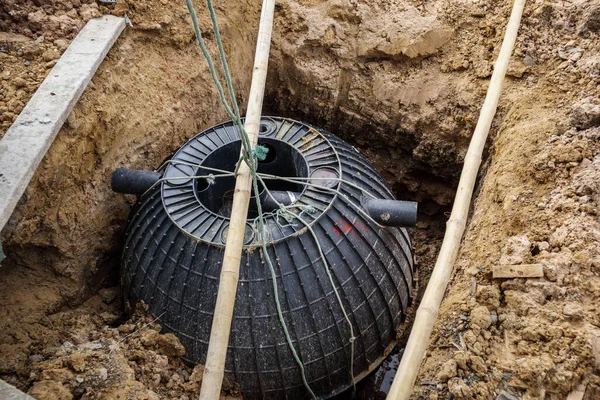
How to Choose the Best Septic Cleaning Service Near Florence WI
You’re a homeowner in Florence County. Maybe you noticed a sour smell near the drain field. Maybe your sinks are slow, or you’re worried about a backup before guests arrive. You don’t have time for a mess, and you don’t want to roll the dice on the wrong crew. We get it. At Dyer Inc—based in Niagara, Marinette County—we serve Florence, Marinette, Dickinson, Iron, and Forest Counties, and we’re obsessed with customizing our work to each property. This guide is here to help you choose wisely, feel confident, and protect your home.
Below, we’ll show you the five key traits to look for before you hire anyone, plus simple checklists, cost factors, timing tips for Northern Wisconsin, and easy care habits you can start today.
A Note to Florence County Homeowners: Worried About Odors, Slow Drains, or Backups? Read This First
If you’re reading this, you likely feel at least one of these:
Worried the tank is overdue and something bad might happen soon.
Annoyed by slow drains, gurgling toilets, or a damp patch in the yard.
Uncertain about who to call, what it should cost, and what “good” service includes.
Stressed about timing—winter comes fast here, and icy driveways don’t make access easy.
You’re not alone. Septic problems feel personal because they are—your home and family are involved. Our promise in this article: simple language, clear steps, and practical advice you can use right away.
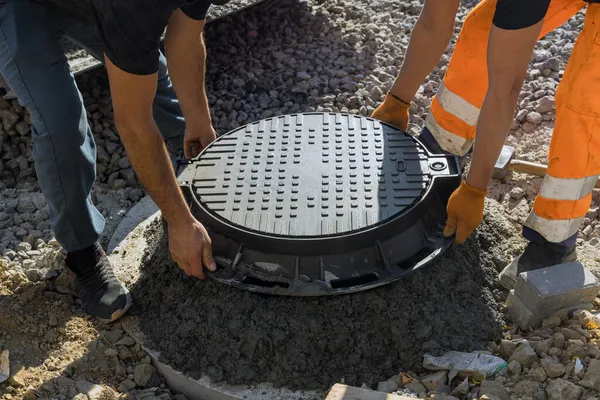
Why Septic Tank Cleaning Matters in Florence County’s Climate and Soil Conditions
Northern Wisconsin brings real weather. Freeze-thaw cycles, spring melt, and heavy summer storms all stress septic systems. In parts of Florence County, soil can vary—some areas drain quickly, others hold water after rain. When a tank is overdue for cleaning, solids can push into the drain field. That’s when things get expensive.
Regular cleaning clears out sludge and scum, protects baffles, and helps your drain field last longer. It also gives a trained tech a chance to spot small issues—like a cracked lid, roots, or a broken tee—before they grow.
About Dyer Inc: Niagara-Based, Serving Florence, Marinette, Dickinson, Iron, and Forest Counties
We’re local. We work on cabins, full-time homes, hobby farms, lake properties, and everything in between. Our focus is simple: custom work that fits your property, your access, and your schedule. We won’t brag. We’ll just say this—our job is to make your life easier and your septic system last longer.
The Five Key Traits of a Great Septic Tank Cleaning Company Near Florence County, WI
When you compare companies, use these five traits to separate the great from the good—and the risky.
Trait #1: Proper Wisconsin Licensing, Insurance, and Safe Work Practices
Ask for proof of:
Active licensing/registrations for septic pumping/hauling in Wisconsin.
Insurance that protects your property and the crew.
Safe handling and disposal of septage (ask where waste is taken, and how often manifests are recorded).
Confined space and ventilation awareness when working near tanks.
Lid, riser, and site safety (barriers, cones, and safe backfill if lids are below grade).
A professional will share these without a fuss. If answers feel vague, keep looking.
Quick check: “Can you confirm your license and insurance, and tell me where you dispose of the material?” You should get a clear, simple reply.
Trait #2: Real Expertise—Pumping vs. True Cleaning, Baffles, and Line Checks
There’s a difference between pumping and cleaning:
Basic pump-out removes liquid and some solids.
True cleaning mixes and removes bottom sludge and floating scum, includes a visual check of inlet and outlet baffles/tees, and notes any damage.
Ask your provider to:
Agitate and fully remove solids.
Check baffles/tees so solids don’t push into the drain field.
Inspect the inlet line for blockages and the outlet side for flow issues.
Note water level when they arrive (too high can indicate a problem).
Record tank condition (cracks, roots, deteriorated concrete, or loose lids).
A knowledgeable tech will explain what they see in normal words, not jargon. They’ll also tell you how often to service based on household size, tank size, garbage disposal use, and water habits.
Trait #3: Transparent, Written Pricing for Septic Tank Cleaning (No Surprise Add-Ons)
You deserve a quote that makes sense. Look for:
What’s included: travel, setup, full cleaning (not just a pump), and disposal fees.
What changes price: long hose runs, deep tanks, frozen lids, extra time for locating lids, or multiple compartments.
Clear add-ons: riser installation, broken lid replacement, digging to expose lids, or baffle repairs.
Written estimate: emailed or texted, so you can compare apples-to-apples.
Good companies give you numbers you can understand and won’t pile on surprises at the end.
Trait #4: The Right Equipment for Your Property—Tight Access, Long Hose Runs, and Winter Visits
Florence County has narrow forest drives, steep approaches, and seasonal road limits. The company you choose should be ready for that:
Truck size and hose length to reach your tank without tearing up the yard.
Winter-ready gear for frozen lids, snowpack, and icy slopes.
Dig tools or locators if your lids are buried.
Riser options so future visits don’t require digging every time.
Ask, “How will your truck reach our tank, and how long is your hose?” The answer will tell you if they’ve thought about your site.
Trait #5: Local Reviews and References You Can Verify in Florence County
Reviews should show consistent patterns—on-time arrivals, clean work, respectful crews, and honest pricing. Look for:
Mentions of clear explanations and no-pressure advice.
Notes about careful yard access (no ruts, no mess).
Repeat customers or neighbors who use the same crew.
If a company hesitates to provide local references, proceed carefully.
How to Compare Septic Cleaning Quotes in Florence County, WI (Apples-to-Apples Checklist)
When two prices look different, it’s usually the scope, not just the number. Line them up:
Pump-out vs. full cleaning (ask exactly what’s removed and how).
Baffle/tee check included?
Lid exposure (are lids already exposed, or will they dig?).
Hose length and access (any added fees?).
Disposal fee (is it included or separate?).
Travel charge (especially for remote cabins).
Winter conditions (frozen lid fee, ice/traction prep).
Photos and service notes after the job.
Riser/lid upgrades if needed (quoted now or later?).
Next service recommendation based on your use.
If a quote is thin on detail, it’s not a deal—it’s a guess.
Red Flags to Avoid When Hiring a Septic Tank Cleaning Service Near Florence County
“We just pump the water.” That’s not a cleaning; sludge stays behind.
No discussion of baffles, tees, or compartments.
Cash-only pressure or unwillingness to put it in writing.
Vague disposal answers or “don’t worry about it.”
No real questions about your household or tank size.
Can’t explain hose length or how they’ll reach your tank.
Trust your gut. If the answers feel slippery, move on.
10 Smart Questions to Ask Before You Book Septic Tank Cleaning Near Florence County
Can you confirm your license and insurance?
Do you fully clean the tank (sludge and scum), or is it a basic pump-out?
Will you check the inlet and outlet baffles/tees?
Where do you dispose of the material, and is the fee included?
What changes the price—hose length, digging, winter conditions?
How long is your hose, and can your truck reach my tank?
Can you photograph the tank condition and provide notes?
If my lids are buried, can you locate and expose them?
Do you install risers to bring lids to grade?
Based on my tank size and family size, when should I schedule the next cleaning?
Our Process at Dyer Inc: From First Call to Clean Tank—Simple, Safe, and On-Time
Again—no bragging, just how we work:
Listen & Locate
We start by learning about your home—household size, tank size (if known), access, and any symptoms. If you don’t know where the tank is, we help locate it.Clear Estimate
You get a written estimate with what’s included and what might change the price (like digging lids or long hose runs). No foggy lines.Access & Protection
We plan truck placement to protect your lawn and drive. In winter, we prep for ice and snow. If lids are below grade, we expose them safely.True Cleaning
We mix and remove sludge and scum, not just liquids. We check baffles/tees, note water levels, and look for warning signs like roots or cracks.Responsible Disposal & Notes
We haul everything to an approved facility. You get simple notes and, if requested, photos. If you’d benefit from risers or a minor fix, we explain why and give options.Next Steps
We suggest a cleaning interval based on you—not a one-size rule. Some families need 2–3 years, others can go longer. We make it easy to remember.
What It Usually Costs: Factors That Change Septic Tank Cleaning Prices Near Florence County, WI
We won’t post a one-price-fits-all number because it’s rarely accurate. Costs change based on:
Tank size and compartments (1,000 vs. 1,500 gallons, single vs. two-compartment).
How overdue it is (heavy solids take more time to remove).
Lid depth and accessibility (buried lids add digging time).
Hose distance (the farther the run, the longer the setup).
Winter conditions (frozen lids or icy access).
Disposal volume (more volume = higher disposal fees).
Travel (remote sites can add time).
Ask for a clear estimate before the visit. A good company will explain these factors in plain English.
Timing Your Service: Best Times of Year to Schedule Septic Cleaning in Northern Wisconsin
We clean year-round, but timing can help:
Early fall: Great for cabins and primary homes—easy access, not yet frozen.
Late spring: After roads firm up and snow melt settles.
Winter: Possible, but lids may be frozen and access tricky. If you’re on a hill or a long, icy drive, call ahead so the crew can plan.
If you’re hosting family or renting your place out, schedule a few weeks before heavy use. It’s one less thing to worry about.
Care After Cleaning: Easy Maintenance Habits That Protect Your Septic System
You don’t need to be a plumber to keep your system healthy. Try these:
Space out laundry loads to avoid sudden surges.
Avoid flushing wipes, even if they say “flushable.” They don’t break down like toilet paper.
Keep grease out of sinks. Grease hardens and clogs.
Know your lids. Mark them or install risers so next time is simple.
Watch your drain field. No heavy vehicles, no sheds, no deep-rooted trees on top.
Write the date of cleaning on a calendar or phone reminder.
Small habits save big money.
Service Area: Florence County and Nearby Communities We Proudly Serve
We’re based in Niagara (Marinette County) and serve most of Florence, Marinette, Dickinson, Iron, and Forest Counties. Whether you’re on a quiet forest road, tucked by a lake, or on a main route, we plan access to fit your site and season.
Ready to Schedule? How to Book Septic Tank Cleaning with Dyer Inc
If you want a simple, clear experience, here’s how to start:
Call or message us with your address and any symptoms.
We confirm access, give you a clean estimate, and set a time.
We show up prepared, protect your property, clean the right way, and haul waste responsibly.
You get notes and photos (if requested), plus a reminder plan that fits your home.
Septic tank cleaning isn’t exciting, but it’s essential. When you choose a company with the five key traits—proper licensing and insurance, true cleaning (not just pumping), transparent pricing, the right equipment, and verifiable local reviews—you get peace of mind and a system that lasts.
If you’re in Florence County or nearby, and you want straightforward help from people who respect your time, property, and budget, we’re here. We’ll listen, explain, and get it done right—so you can get back to normal life.


AVOID COSTLY MISTAKES:
Do NOT hire an excavating contractor without first reading our free guide:
The ULTIMATE Excavation & Septic "Success Guide."

See Photos!
We Offer Septic Services Near You!
If you don't see your specific area contact us and we may still be able to help or give a referral.

The Royal Flush - Design, Install & Repair
Address:
1025 W Fischer Lake Pkwy, Niagara, WI 54151
Hours:
Mon - Fri. 8:00 am - 4:00 pm
Weekends & Holidays by appointment only*
*There will be a surcharge for after hours & holiday appointments


All rights reserved | Privacy policy