
The Royal Flush - Design, Install & Repair
Licensed, Bonded & Insured | Family Owned & Operated Since 1965
Licensed #WI DNR, MI EGLE
WLWCA Members | MSHA Certified
we help greater Chehalis families & contractors through excellence in residential & commercial excavation, septic & demolition services.
You'll ❤️Saving 🕒 And 💰 Without Headaches!😊

AVOID COSTLY MISTAKES:
Do NOT hire an excavating contractor without first reading our free guide:
The ULTIMATE Excavation & Septic "Success Guide."

"We Help Familes & Businesses Through Excellence In Septic Services Throughout Wisconsin & Michigan!"
Dyer. Inc is your choice for septic design, septic tank installation, septic system repairs and septic pumping. We pride ourselves in the highest commitment to quality and customer satisfaction. We are the number one choice in your service area for septic services.
Our staff is licensed in Wisconsin as septic operators and certified as Michigan business operators too. Our staff maintains complete and current continuing education requirements.

Searching for Septic Services near me?

Your time and effort looking for the best septic contractor just paid off! We understand, you're probably searching for septic companies near me and "Whammo!" up pops hundreds of septic service contractors claiming to provide the best septic tank services. So who do you trust your septic tank needs with? We understand it can be a little daunting. We are happy to help in any way and sincerely thank you for taking time to consider us! Here's some of our most popular excavation services we can help you with right away:
✔️ Septic services of all kinds
✔️ Septic Inspections (County & Realty)
✔️ Septic pumping (Residential & Commercial since 1965)
✔️ Cleaning a Septic Tank
✔️ Septic System Design (Since 1989)
✔️ Septic System Installation
We Take Pride In Quality Septic Services Launched FAST!

When considering a local excavation contractor or excavation company what should you consider? Along with the highest quality site work you want your excavation services to be done quickly and without headaches.
You can also count on us for:
✔️ Snow Plowing- Commercial only, snow removal & salt/sand applications
✔️ Drain Field replacement/ Leach Field Replacement
✔️ Septic Holding Tanks Sales

wE PROMISE TO clean up after Ourselves!
How Do You Know Your Hiring The Right Septic Company?
COMPARE THE SERVICES OFFERED BY DIFFERENT SEPTIC COMPANIES
TAKE A LOOK AT PICTURES OF SEPTIC WORK DONE BY THE COMPANIES YOU’RE CONSIDERING
CHECK OUT REVIEWS, ASK FOR REFERENCES AND COMMENTS FROM PAST CLIENTS
CHECK THE EQUIPMENT OWNED BY THE SEPTIC COMPANIES
ARE THEY PROFESSIONAL AND COURTEOUS WHEN THEY ANSWER THE PHONE?
DO THEY PROMPTLY RETURN CALLS?
HOW WELL DO THEY PAY ATTENTION TO THE SMALLEST DETAIL?
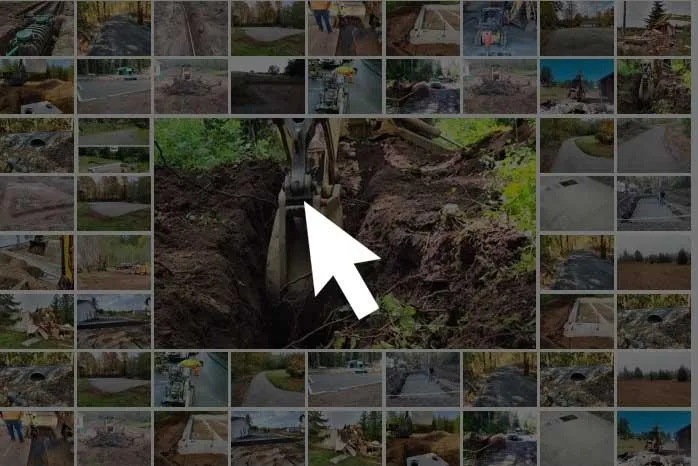
See Photos!
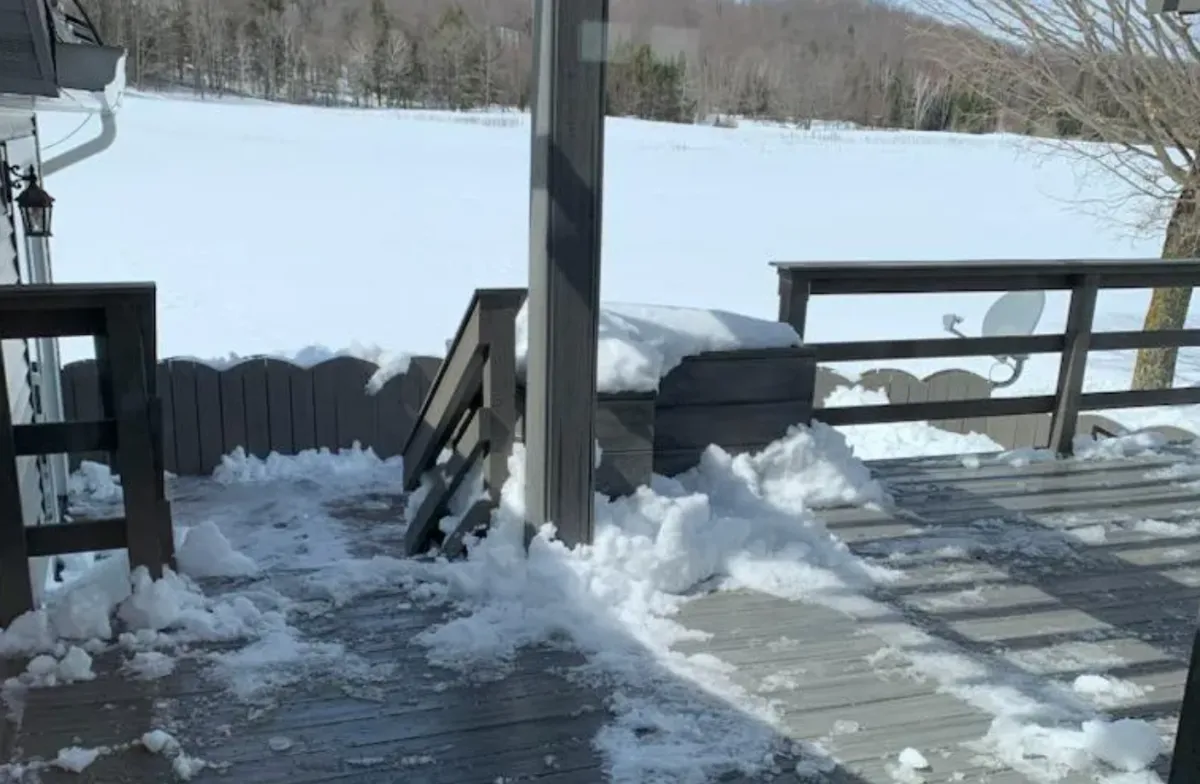
Best Snow Plowing Near Florence County, WI | Winter Guide
Who This Guide Helps: Homeowners and Property Managers in Florence County, WI
If you live on a steep driveway outside Florence, run a small shop in town, or manage a parking lot that must open by 6 a.m., this guide is for you. You’re juggling work, kids, customers, deliveries, and Wisconsin weather that doesn’t ask permission. You worry about getting stuck, missing work, or someone slipping on your property. We get it. At Dyer Inc in Niagara, we serve Florence, Marinette, Iron, Dickinson, and Forest Counties, and we build snow plans around real life—yours.
Snow Plowing Near Florence County, WI: Your Options at a Glance
Here’s the short list you’ll hear all winter:
Residential plowing: Driveways, private lanes, aprons at the road, garage access.
Commercial plowing: Parking lots, alleys, loading areas, walkways, entrances, dumpsters.
Sidewalk/entry clearing: Shovels or small machines for tight spots.
Ice control: Salt, sand, or brine to prevent slick surfaces.
Hauling and stacking: Move big piles when space gets tight.
Emergency service: Storm pushes, drift breakouts, freeze–thaw refreezing treatment.
Each option can stand alone, but the best results come from a package that fits your site. That’s where planning matters.

Residential vs. Commercial Snow Removal: What’s Different and Why It Matters
Residential work often focuses on drivability: get the car to the road, keep the garage clear, protect the mailbox and lawn. Timing matters, but you can often aim for early morning or after work hours.
Commercial work is about uptime and safety. Opening time is fixed. Foot traffic is steady. Plows must arrive before customers and staff. Sidewalks, ramps, and crosswalks need special attention. You may also face liability if someone slips. That means different equipment, more visits per storm, and heavier ice management.
Driveways, Private Roads, and Parking Lots: Picking the Right Plowing Service
Short, flat driveways: A standard plow truck works fast and clean.
Long, curved, or hilly driveways: A truck with aggressive tires and ballast, sometimes a skid steer for tight turns or deep drifts.
Private gravel lanes: Blade shoes to avoid digging into the base. Sometimes a light lift on the blade to protect gravel.
Commercial parking lots: A wide plow on a truck for speed, plus a skid steer or loader for stacking and tight spaces near islands or cart corrals.
Sidewalks and entrances: UTVs with small plows or brush attachments, snow blowers, and good old shovels for edges.
Match the machine to the site, and you’ll save time, money, and damage.
Contract Types Explained: Seasonal, Per-Push, Per-Inch, and On-Call
You’ll hear these terms everywhere. Here’s what they mean:
Seasonal contract: One price covers the whole winter, usually with a storm count or inch threshold. Budget-friendly and predictable. If the winter is heavy, the contractor takes on more risk; if it’s light, you pay for peace of mind.
Per-push: You pay each time we plow. Simple, fair, and easy to understand. Costs change with the number of storms.
Per-inch: Price scales with snowfall depth bands (e.g., 1–3", 3–6", 6–9", etc.). Good for larger properties where snow totals change the work.
On-call: You contact us when you want service. Flexibility is high, but you may wait longer during peak storms, and rates can be higher.
Tip: For businesses with opening hours and liability concerns, seasonal or per-inch contracts with defined trigger depths and priority timing make the most sense. For homeowners, per-push or seasonal works best.
What Snow Plowing Costs in Northern Wisconsin (And What Affects Price)
Prices vary, but here’s what drives them:
Property size and layout: Long lanes, tight turns, or big lots take longer.
Slope and obstacles: Steep hills, fences, retaining walls, rock edging.
Snow triggers and timing: “Plow at 2 inches” costs more than “plow at 4 inches.” “Before 5 a.m.” costs more than “by noon.”
Ice control: Salt, sand, or brine add cost but reduce slips and insurance risk.
Storm intensity: Heavy snow and high winds mean more visits.
If you want a ballpark view, think this way: a small, simple driveway is on the low end per push; a long, winding private road or a retail lot with sidewalks, entrances, and loading lanes moves up the ladder. Seasonal plans bundle everything so your monthly cash flow stays steady.
Response Time and Storm Priority: How Scheduling Really Works
The first people served are those with a priority schedule: hospitals, retail with early opening, manufacturing with shift changes, and homes with medical needs. Then come standard routes. If you’re on-call, service happens after contracted work. If it’s a blizzard, we keep lanes open (one or two maintenance passes) and return for clean-up. Good plans avoid being buried while you wait for a perfect finish.
Pro move: If your site must open by 6 a.m., build that into the contract. Don’t leave it to chance.
Equipment 101: Trucks, Skid Steers, UTVs, and Sidewalk Crews
Plow trucks: Fast for roads, lanes, and open parking areas.
Skid steers/compact loaders: Excellent for tight turns, islands, and stacking piles higher when space runs out.
UTVs with blades/brooms: Great for sidewalks, narrow paths, courtyards, and condo complexes.
Snow blowers and shovels: Edge work, steps, and detail areas where machines can’t go.
Spreaders: Tailgate or V-box units for salt, sand, or treated mixes.
We match the fleet to your site so we don’t waste time or chew up surfaces.
Ice Control Basics: Salt, Sand, and Brine for Safer Surfaces
Rock salt: The standard. Works well above certain temps. Fast to apply.
Treated salt: Blends that work at lower temps and stick better, so they track less.
Sand: Adds traction on cold days when salt doesn’t work as well, but can be messy later.
Brine (liquid): Pre-treats surfaces to stop bonding. Saves salt, reduces refreeze, and helps during the first wave of a storm.
For commercial sites with heavy foot traffic, pretreat with brine, plow at triggers, and post-treat with treated salt. For homes, a salt pass at the apron and slope is usually enough unless you have frequent visitors, deliveries, or mobility needs.
Damage Prevention: Protecting Asphalt, Concrete, Curbs, and Turf
Winter can be hard on surfaces. We protect them by:
Using marker stakes to show edges, drains, and drop-offs.
Setting blade shoes on gravel or soft shoulders.
Avoiding tight turns on new concrete.
Watching for manholes, curb stops, and cleanouts.
Piling snow where thaw won’t flood your entry.
If something does get scuffed, note it right away. Most issues are minor and can be fixed in spring.
Before the Storm: Markers, Parking Rules, and Access Prep
Small prep steps make a big difference:
Stake your driveway edges, mailbox, drain basins, and any hazards.
Move trailers and unused cars so we can clear the full area.
Set parking rules for employees or tenants during storms.
Keep salt bins by doors for quick touch-ups.
Open gates and ensure code access if you won’t be home.
Do these, and your service will be faster, cleaner, and safer.
DIY vs. Hiring a Pro in Florence County: Time, Risk, and Liability
DIY sounds simple until you’re out there at 4 a.m. in blowing snow, on ice, behind schedule, with a worn-out snow blower. Add a steep slope and now it’s a safety risk. If you’re young, fit, and love the grind, go for it—just plan for days when the storm wins.
Hiring a pro buys you time, priority timing, ice control, and the right equipment. For businesses, it also reduces liability. One slip-and-fall can cost far more than a whole season of service.
How to Choose a Snow Plow Company: 9 Questions to Ask
What’s your response time and storm priority plan for my site?
What triggers do you recommend (2", 3", 4") and why?
Do you include sidewalk clearing and entryways?
How do you handle ice control at low temps?
What’s your plan for refreeze after sun melt?
What equipment will you bring to my site and why?
How do you prevent property damage—and fix it if it happens?
Are you insured for snow operations? (Ask for proof.)
Can I get a simple, clear contract with photos of my site?
If they answer these clearly, you’ve likely found a pro.
Insurance, Contracts, and Slip-and-Fall Liability: What to Check
Ask for proof of liability and auto coverage that includes snow operations. Make sure the contract defines triggers, timing, and scope: plowing, sidewalks, salt, sand, brine, and return visits for refreeze. For commercial sites, write in opening times and storm thresholds. If you own rentals or HOA property, note who is responsible for decisions during a storm.
Service Area and Local Know-How: Dyer Inc in Niagara, Serving Florence, Marinette, Iron, Dickinson, and Forest Counties
We’re local to Niagara in Marinette County, and we work where we live: Florence, Marinette, Iron, Dickinson, and Forest Counties. We know which roads drift first, where the wind tunnels form, and how the freeze–thaw cycles change slopes by mid-February. That local knowledge matters when you need the drive open before dawn or the delivery lane cleared before a truck backs in.
Our Setup Process: Step-By-Step Start With Dyer Inc
Step 1: Site Walk (or Virtual Walkthrough)
You show us your driveway, lane, lot, and entrances. We spot hazards and talk timing.
Step 2: Trigger and Priority
We set your snow depth trigger and discuss time windows (e.g., before 6 a.m. open).
Step 3: Ice Plan
Salt, sand, or brine—based on your surface, slope, and foot traffic.
Step 4: Marking and Access
We stake edges and note gate codes or lockbox locations. You move any parked equipment.
Step 5: Contract and Photos
Simple terms you can read in five minutes. We keep photos of your layout so new drivers know your site.
Step 6: First Storm Game Plan
We add you to a route with set priorities. During the storm, we text updates if conditions change.
Emergency and 24/7 Plowing: Staying Open During Big Storms
Blizzards don’t care about schedules. When the forecast goes red, we switch to maintenance passes—quick clears that keep lanes open and reduce depths. Once the storm eases, we return for a full clean-up and post-treatment to fight refreeze. For businesses, that can mean multiple visits in one night. For homes, it may be a pre-dawn pass and a clean-up after the plow berm at the road gets pushed in.
Reviews and Local Stories: What Your Neighbors Say
What people want most is simple: show up on time, do it right, and don’t tear up the place. Around here, neighbors talk. Folks share who got their lane open before the school bus came, which shop’s lot was safe to cross after the lunch rush, and who handled a surprise refreeze without a complaint. We aim to be that crew people recommend without being asked.
After Winter: Spring Repairs and Planning for Next Season
When the snow finally melts, it’s time to walk the site again. Fix ruts on gravel. Sweep sand from sidewalks and lots. Touch up turf edges by the drive. If you had water pooling by the entry, consider re-grading or changing the snow pile zone next season. A 15-minute spring meeting saves you headaches next winter.
A Note on Commercial Snow Removal
If you manage a store, clinic, or warehouse, think of snow service like a utility—as necessary as lights and heat. Your plan should include:
Pre-storm brine to break the bond.
Overnight plow and sidewalk crew to meet opening times.
Post-open touch-up ahead of lunch or shift changes.
Refreeze check in the evening when temps drop.
Snow stacking or hauling for tight lots after big storms.
Slip logs and photo records to back up safety efforts.
This rhythm keeps staff safe, customers confident, and deliveries on time. It also shows you acted with care if there’s ever a claim.
Bringing It All Together
Winter doesn’t have to control your day. With the right plan—clear triggers, smart timing, the proper equipment, and an honest contract—you can keep life moving even when the forecast goes sideways. That’s the heart of our work at Dyer Inc in Niagara. We listen first, customize second, and plow when it counts.
If you’re in Florence, Marinette, Iron, Dickinson, or Forest County, and you want a snow plan that fits your site and schedule, we’re ready to help. Tell us your opening time, your trouble spots, and your priorities. We’ll build the plan that gets you out the door, on time, all winter long.

We Offer Septic Services Near You!
If you don't see your specific area contact us and we may still be able to help or give a referral.

The Royal Flush - Design, Install & Repair
Address:
1025 W Fischer Lake Pkwy, Niagara, WI 54151
Hours:
Mon - Fri. 8:00 am - 4:00 pm
Weekends & Holidays by appointment only*
*There will be a surcharge for after hours & holiday appointments


All rights reserved | Privacy policy | Client Support Area | For Cathy | Terms & Conditions | Privacy Policy